linkdIn header

Empowering communities at grassroot level Lasting impact with real difference

Overview

We live in a world where systemic gaps create barriers for people and communities to thrive. Our mission is to
bridge these gaps by using effective intervention tools to support underserved communities. Through initiatives
focused on skill training, digital literacy, healthcare access, and employee volunteering, we aim to build
resilient communities and lasting impact. With the right tools and strong partnerships, meaningful change is a
defining change.

Our Verticals

Redington pillars that drive change


Skill Icon
Skill
development
Education Icon
Education
Community Icon
Community
development

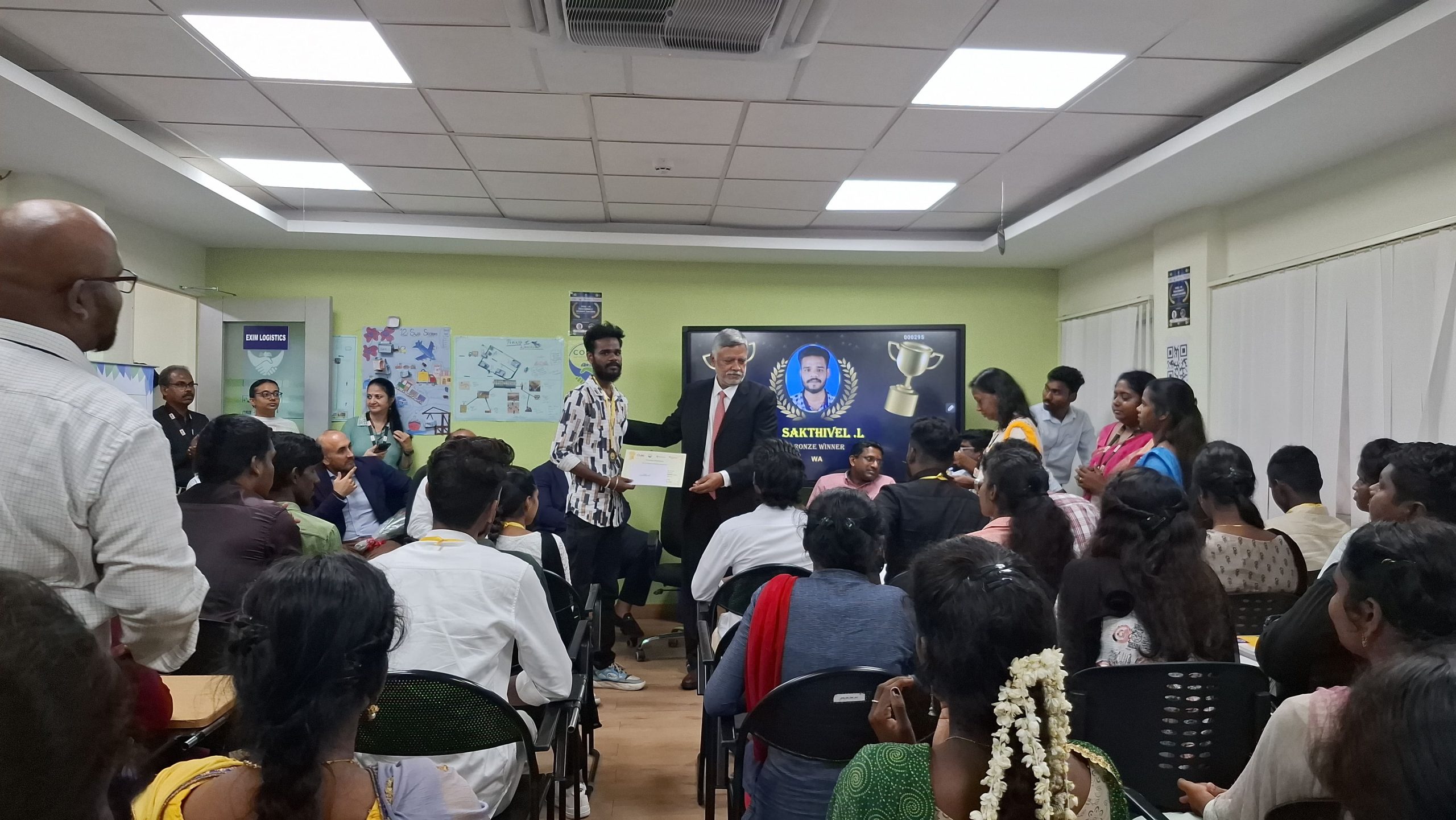
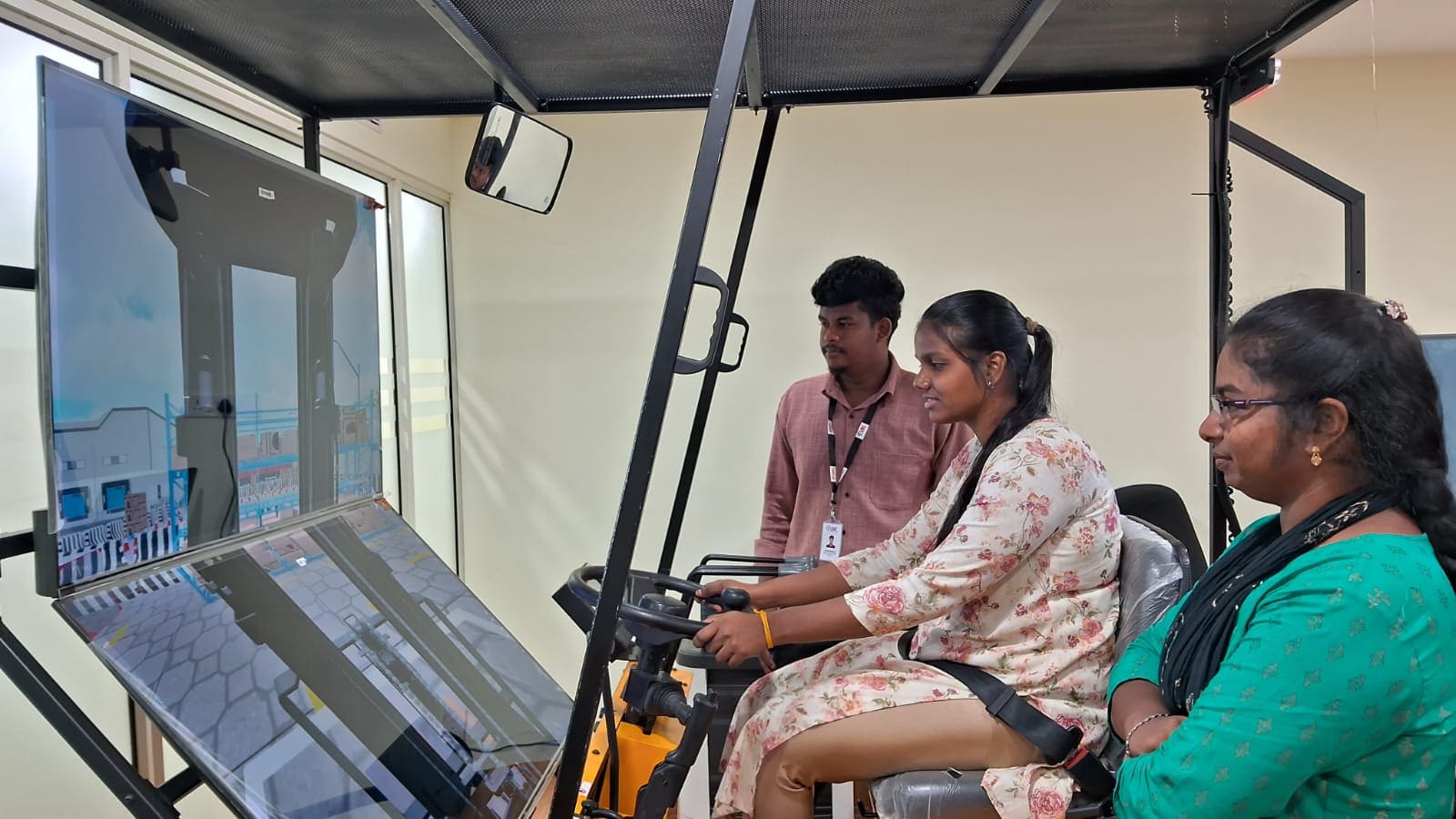
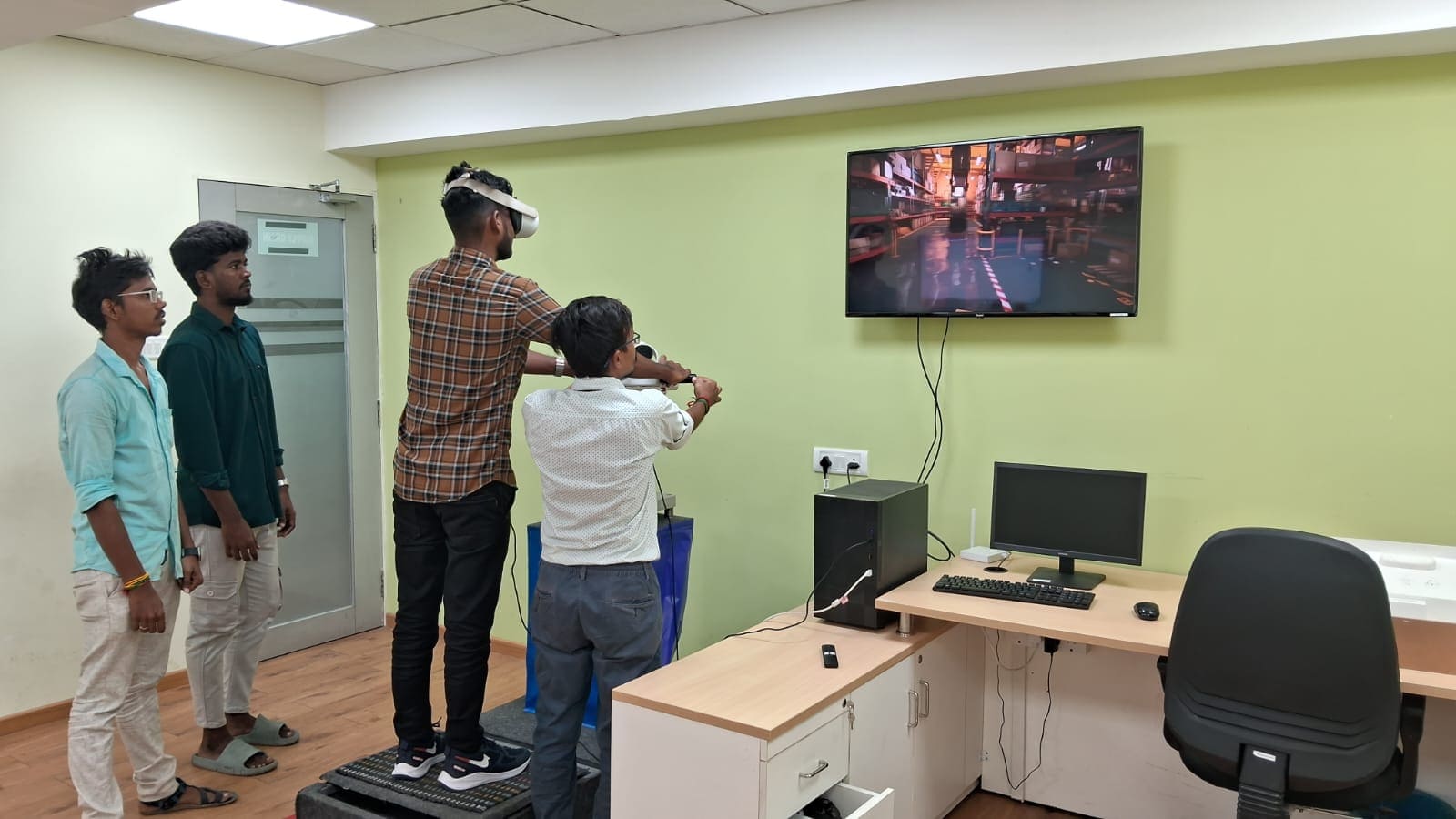
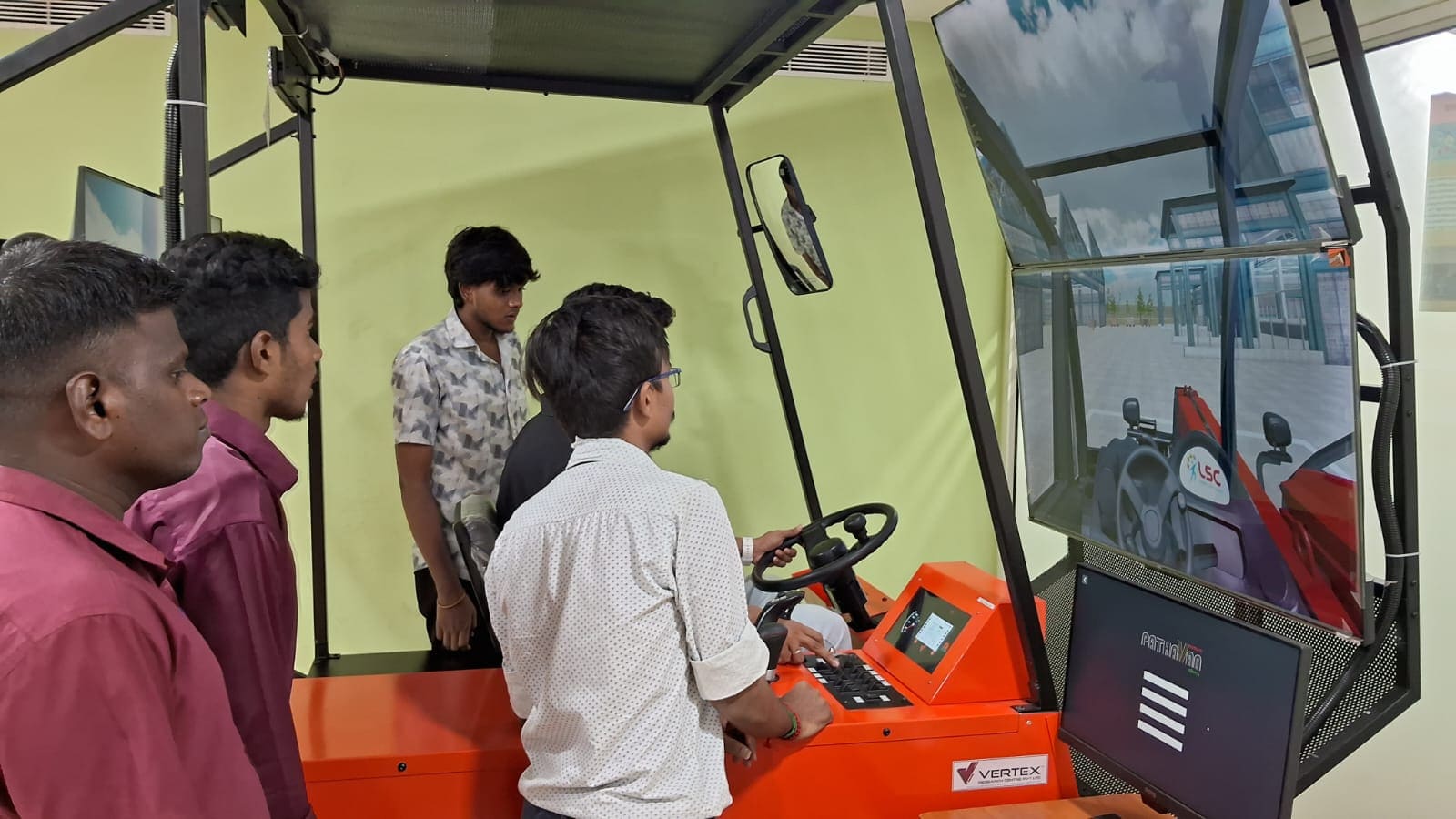
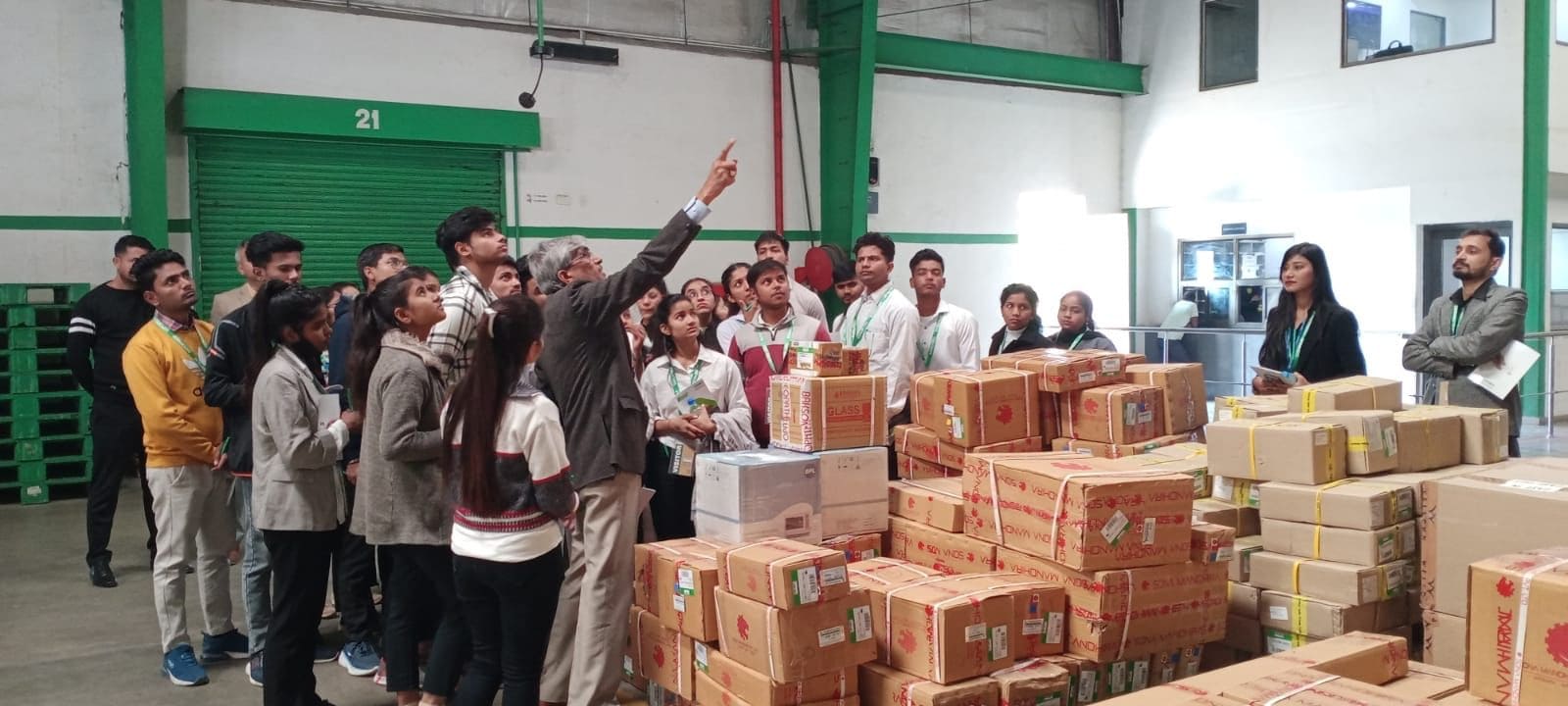
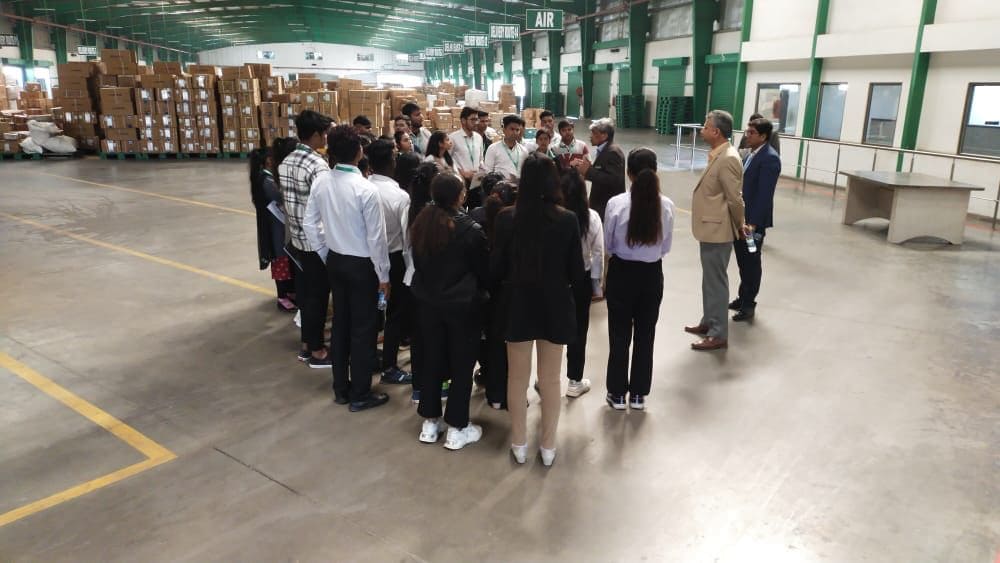
Centre of Logistics Training for Excellence (COLTE)

Designed to address critical skill gaps in India’s logistics and supply chain industry, COLTE is a pioneering, future-ready training academy.

The centre provides targeted skill-development programmes for both underserved youth and existing workforce across logistics industry sectors such as transportation, ports, freight and warehousing. With a focus on technology-led training, COLTE promotes digital inclusion and helps bridge the digital divide within the industry, apart from offering a vibrant platform for innovation. Through structured learning, industry-designed curriculum and capacity-building initiatives, the centre empowers individuals to enhance their employability, pursue sustainable livelihoods, and contribute meaningfully to community development.

Impact

4500+ trained with 170,000 training hours across STT, academic, and upskilling including 1700 women.

450+ unemployed youth trained in logistics job roles under STT resulting in:

  • 20% women participation above industry average.
  • 100% job opportunities offered with more than 80% of students accepting placements.
  • Average family income increased by 35 – 60%.
  • Boosted socio-economic status of trainees and families.
  • Improved gender balance and inclusion in logistics.
  • 1,040+ working professionals upskilled building more capable, competitive workforce.
  • 2,840+ students trained in academia with improved career knowledge in logistics.
Centre of Sustainable Services (COSS)

School dropout rates in rural India continue to be a cause of concern and demand action.

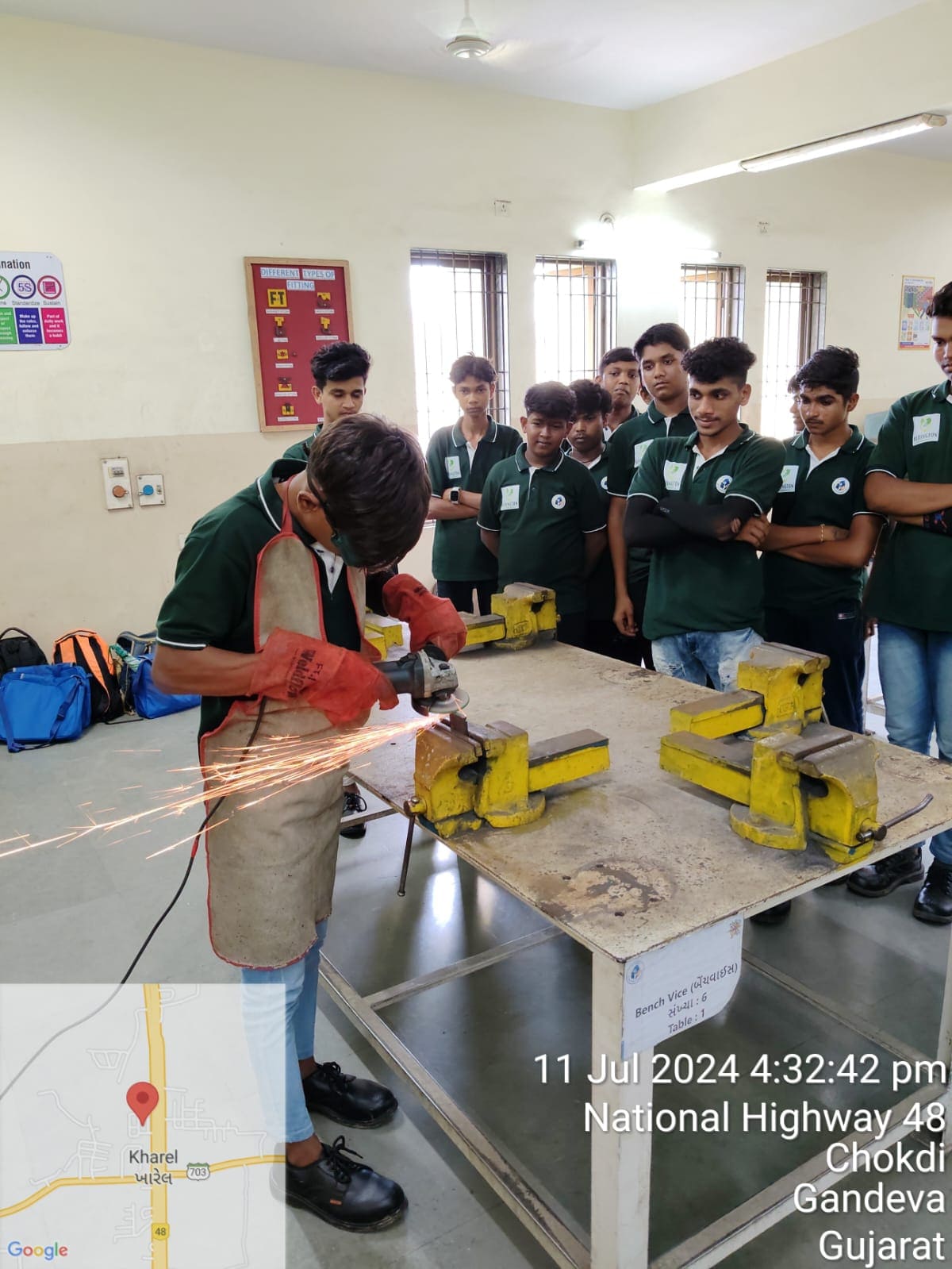
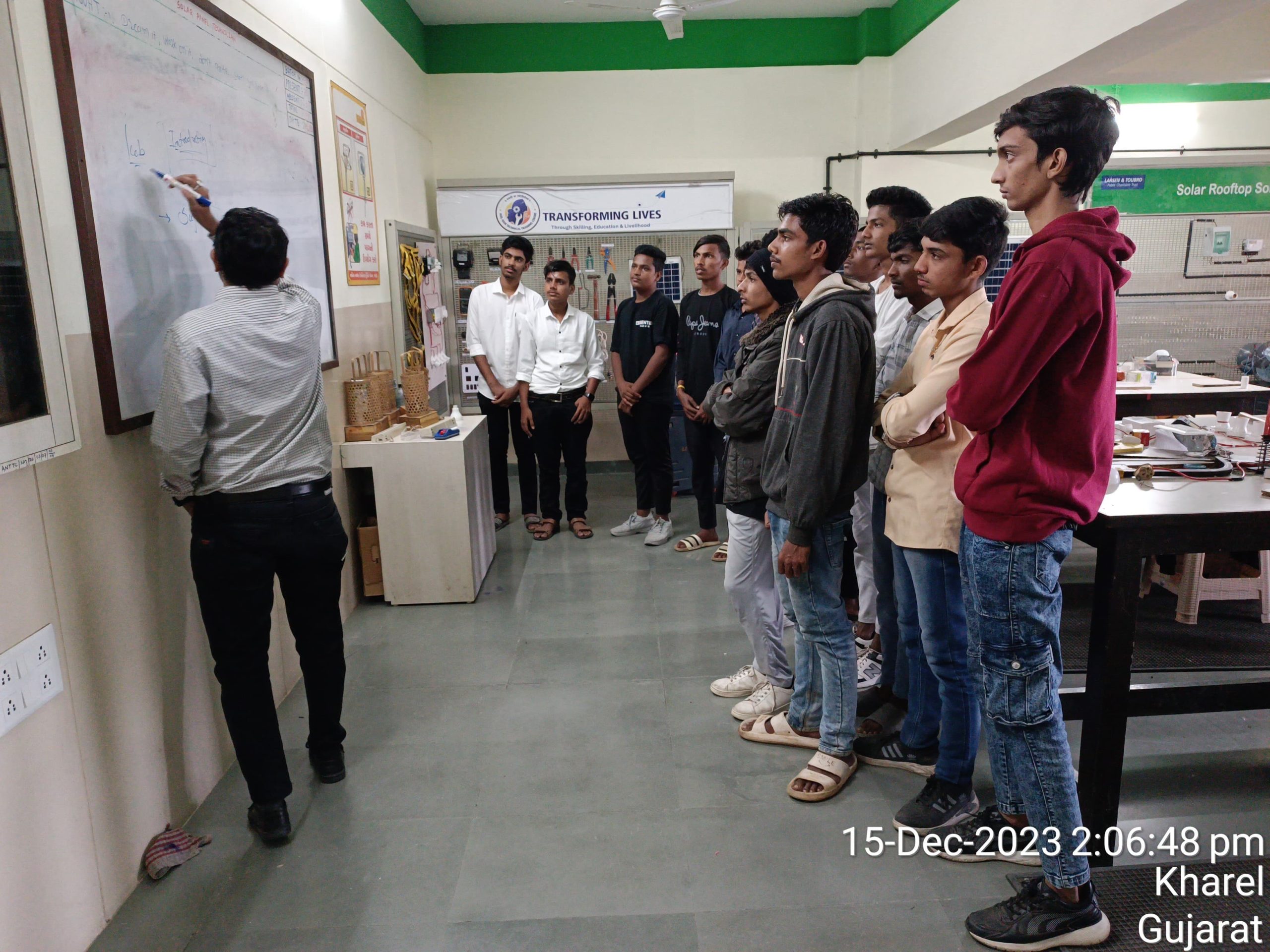
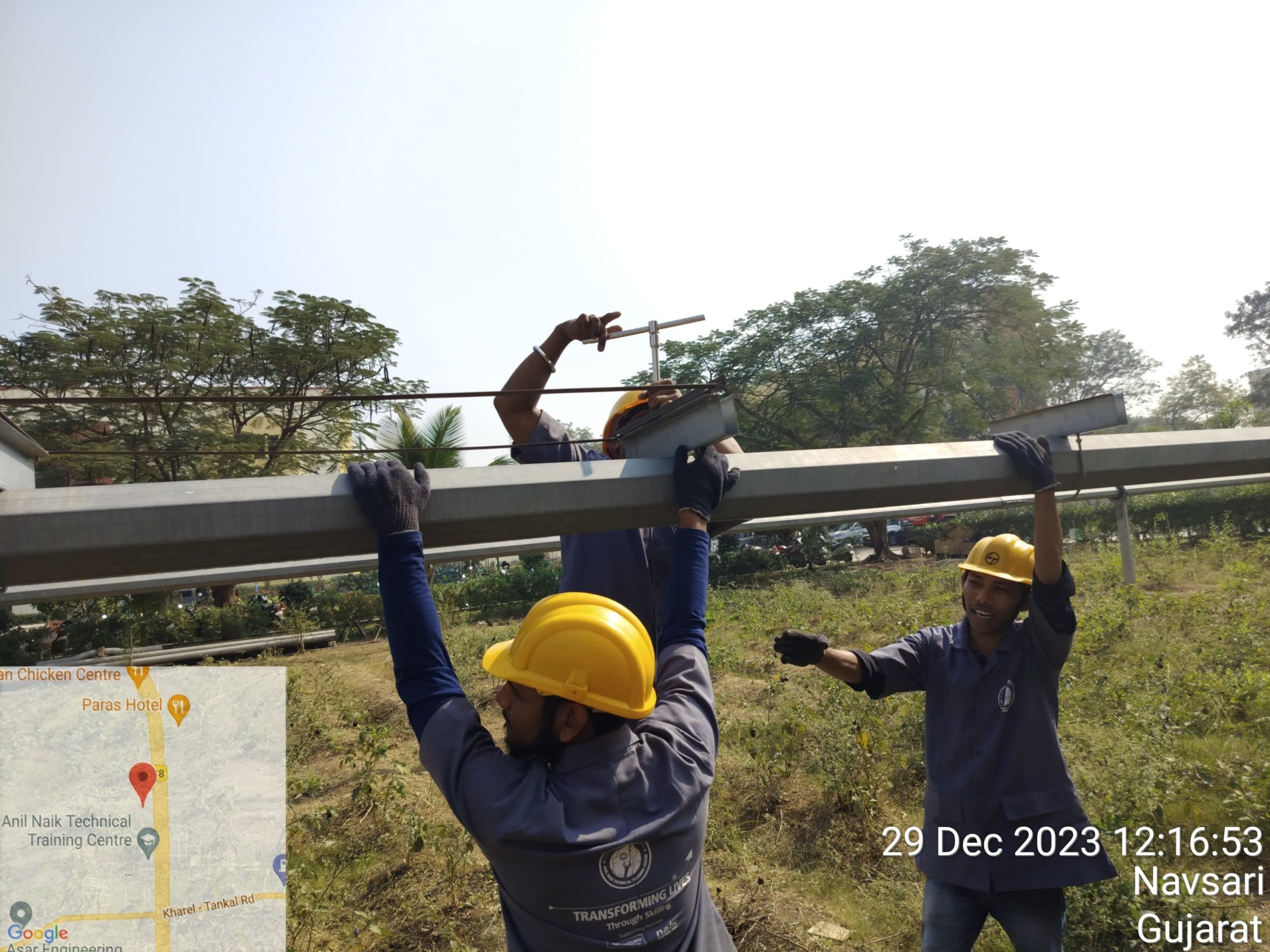
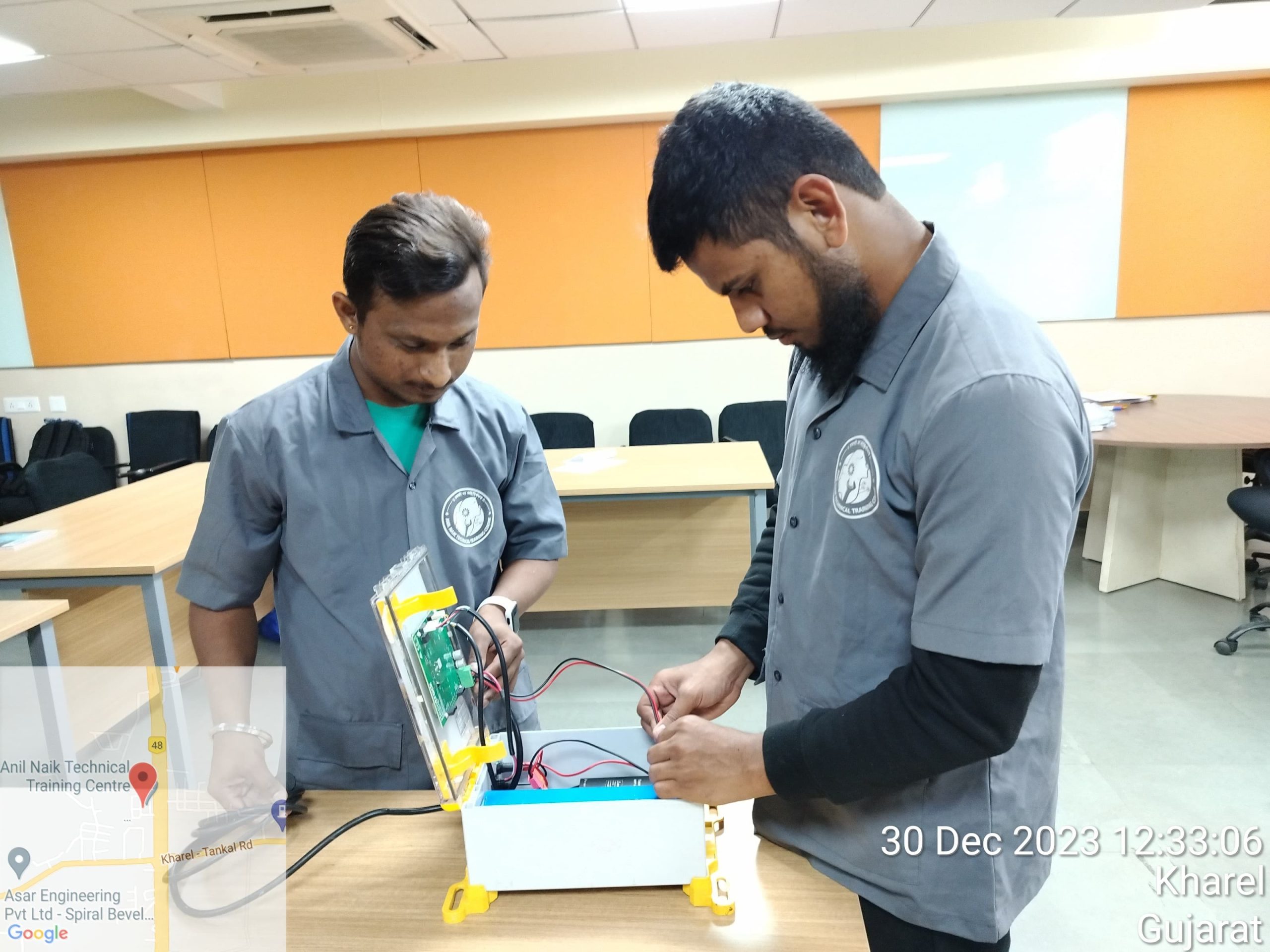
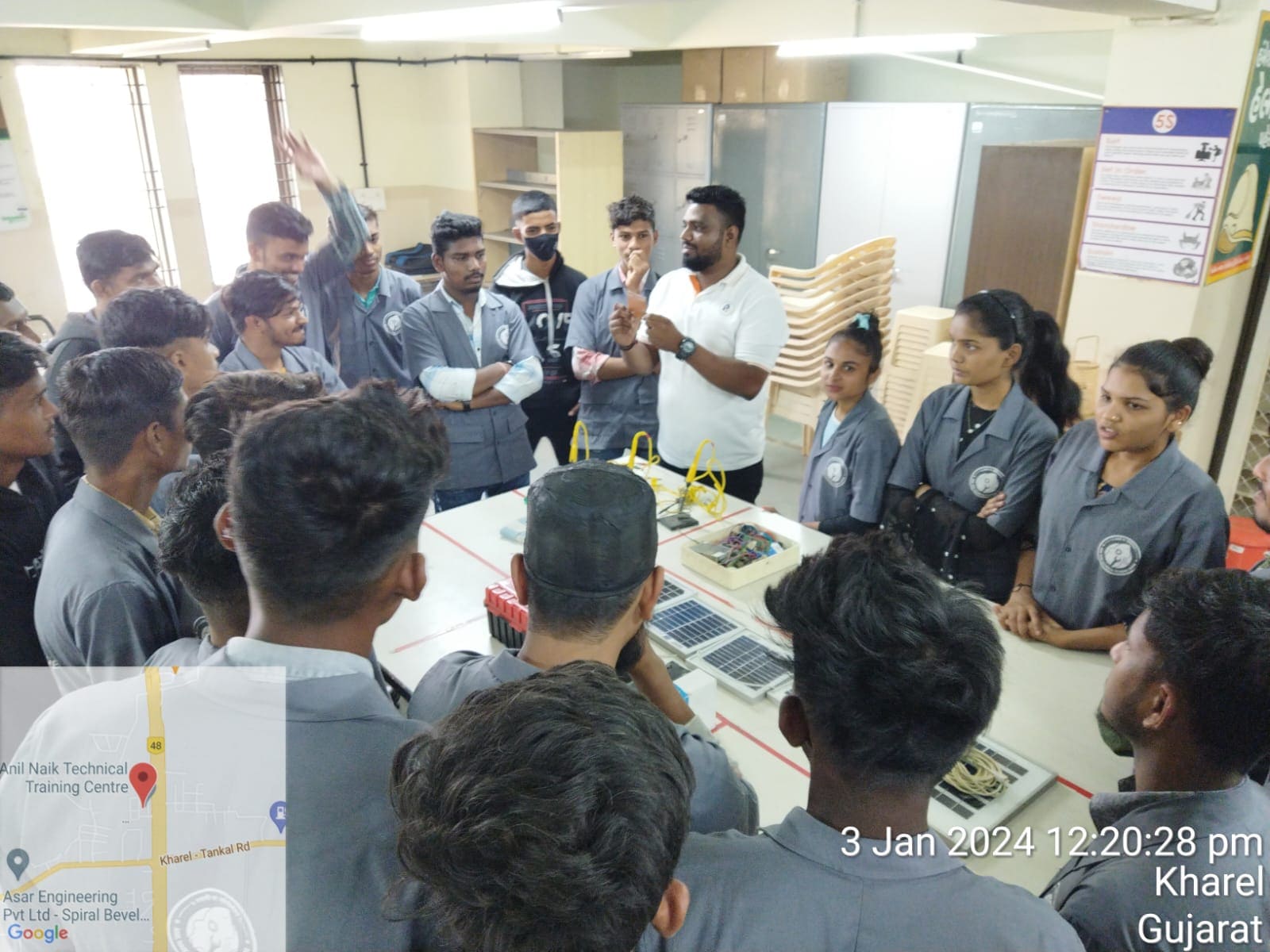
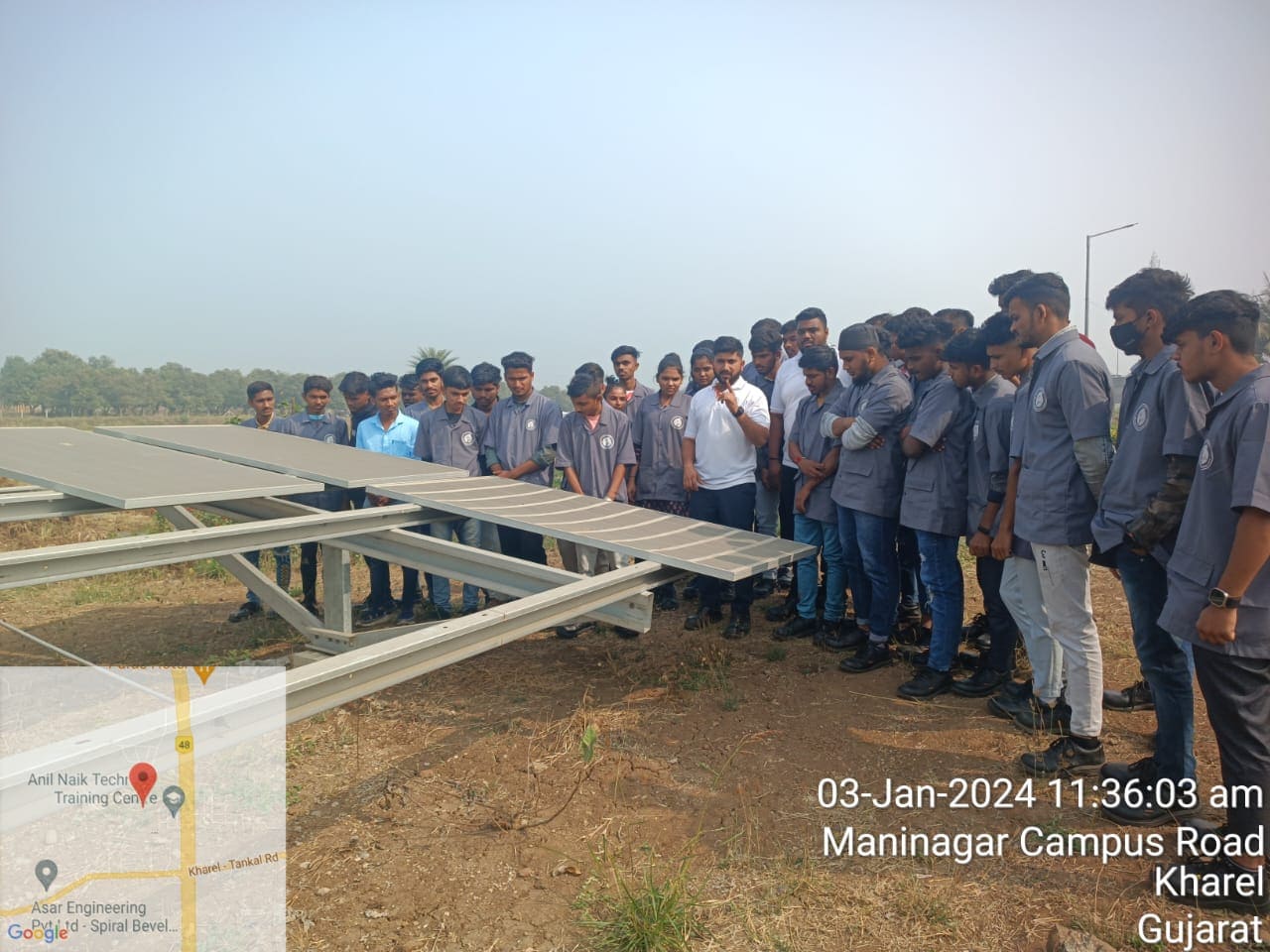
Centre of Sustainable Services (COSS) helps in addressing this issue with focus on practical learning and technical exposure. The programs include building capacity in solar PV manufacturing, lighting, and electrical trades with a mix of theory, practical, and training program along with placement support. COSS was launched to equip rural youths and school dropouts with job-ready skills across solar energy sector focusing on achieving clean energy goals and rural development. The programme is delivered in partnership with reputed technical institutions like the A.M. Naik Technical Training Centre.

Impact

600+ school dropouts trained in solar and related trades

  • 100% job offers with 75% accepted placements.
  • 10% of participants secured international placements.
  • Training covers Solar PV Manufacturing, Solar Lighting and Electrical Technical roles.
  • Programme focus on practical skills, safety, and renewable energy standards.
  • Initiatives directly support India’s clean energy and rural employment goals.

Centre of Digital Excellence (CODE)

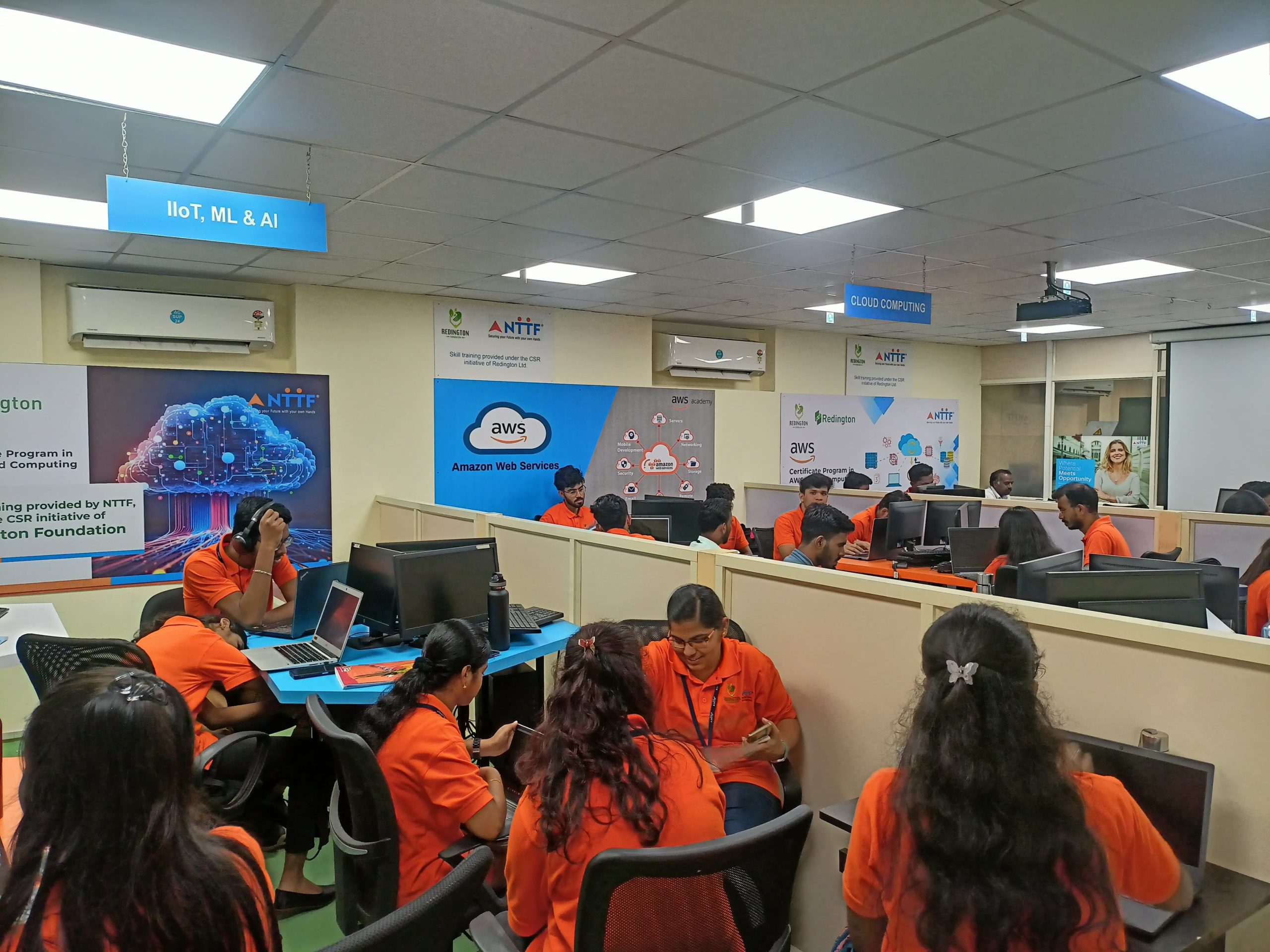
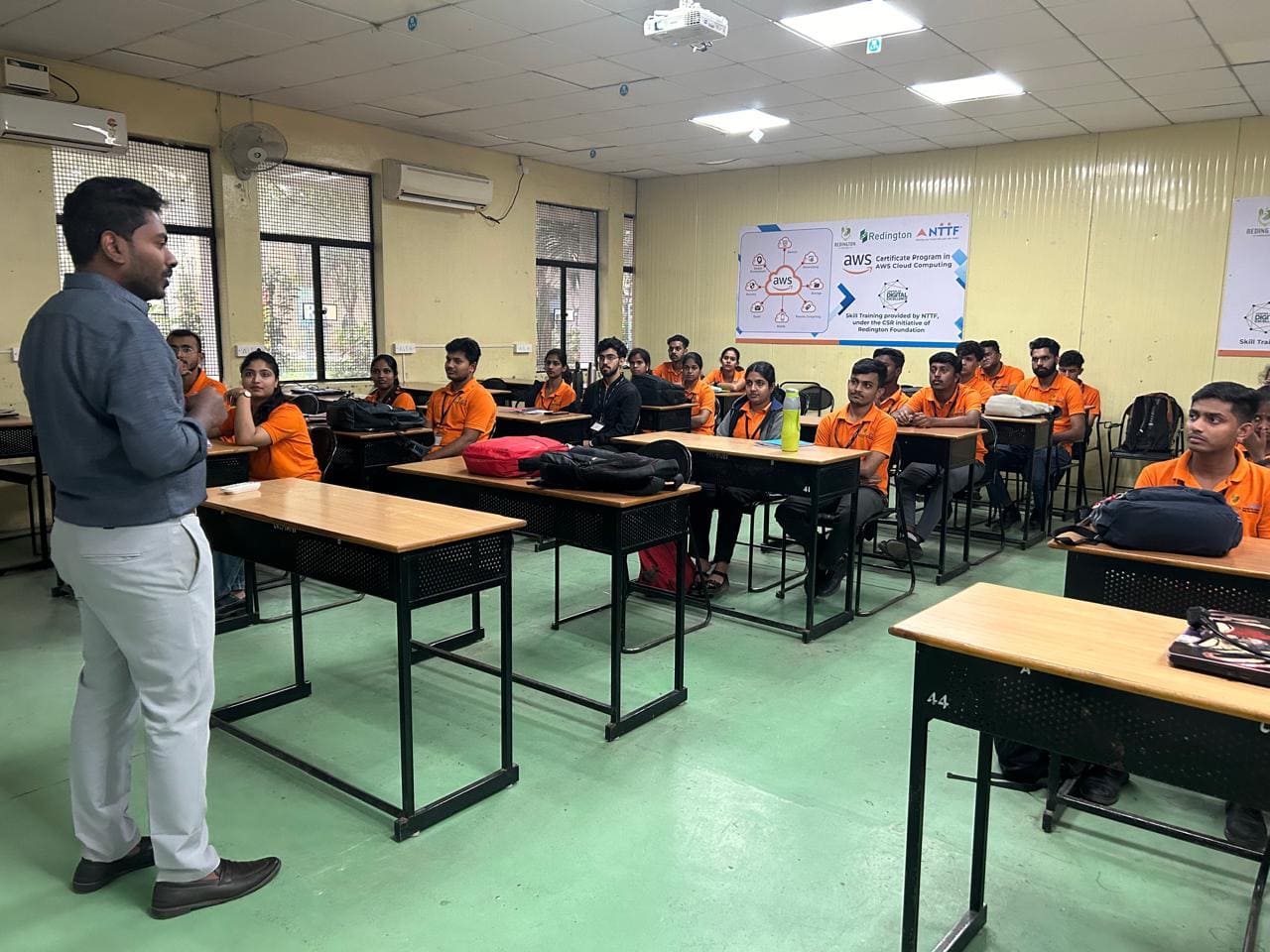
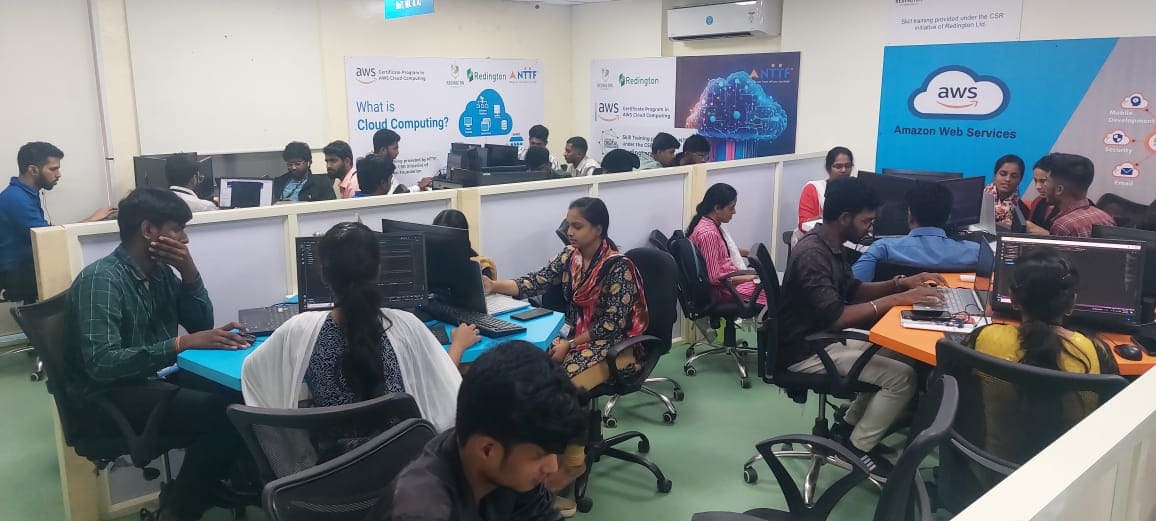
CODE helps final year students and unemployed youth build a strong foundation in upcoming and trending technology, focused on future technologies like AI/ML, Cloud, Cybersecurity, and Analytics.
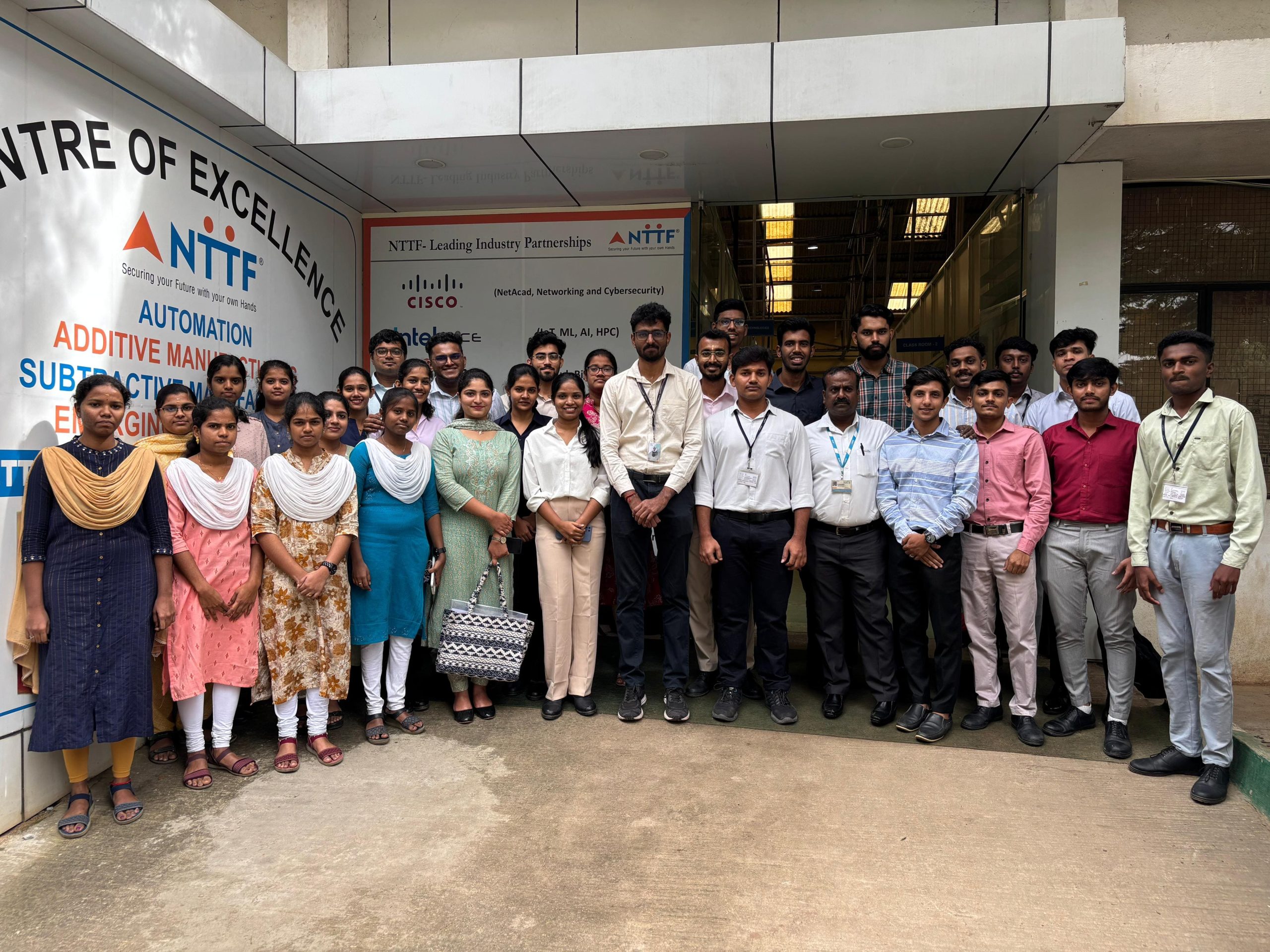
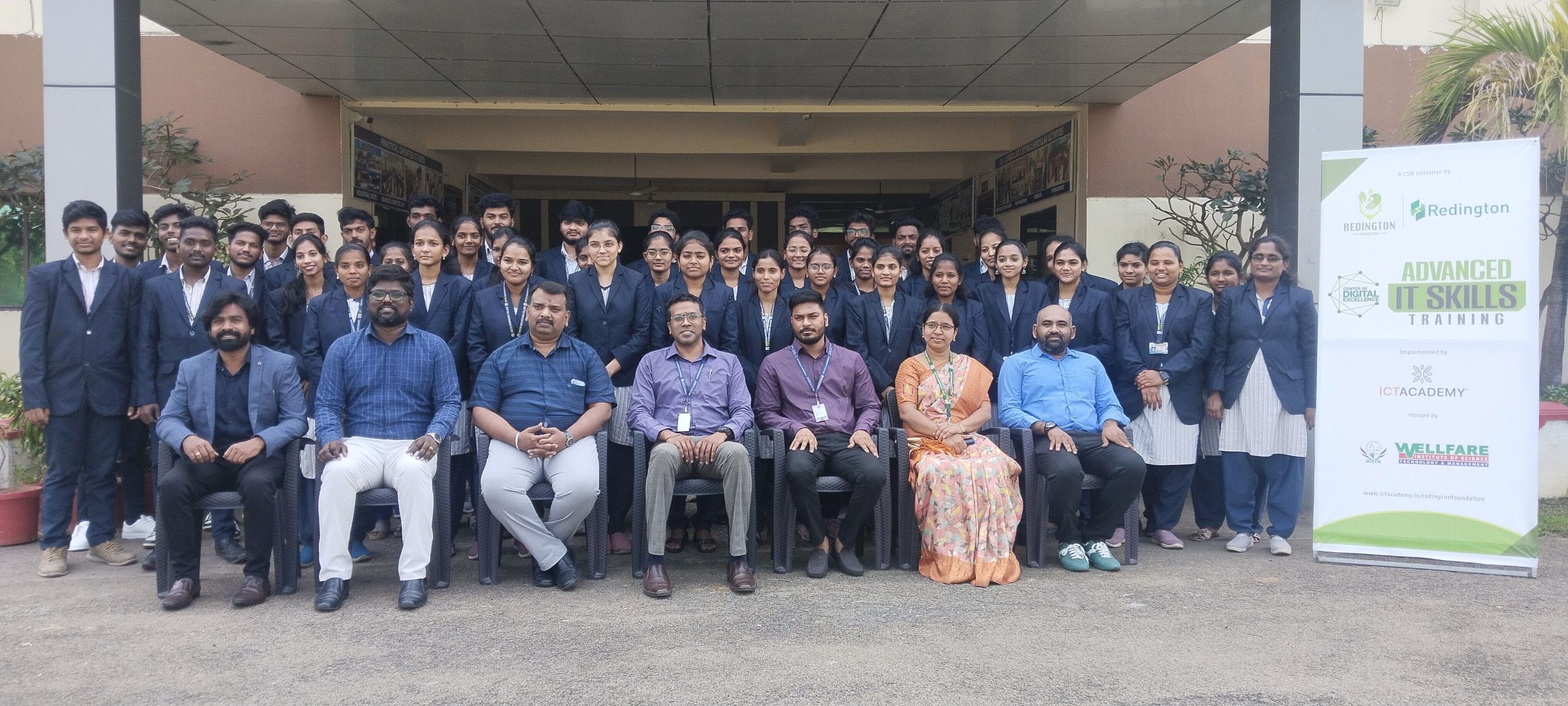
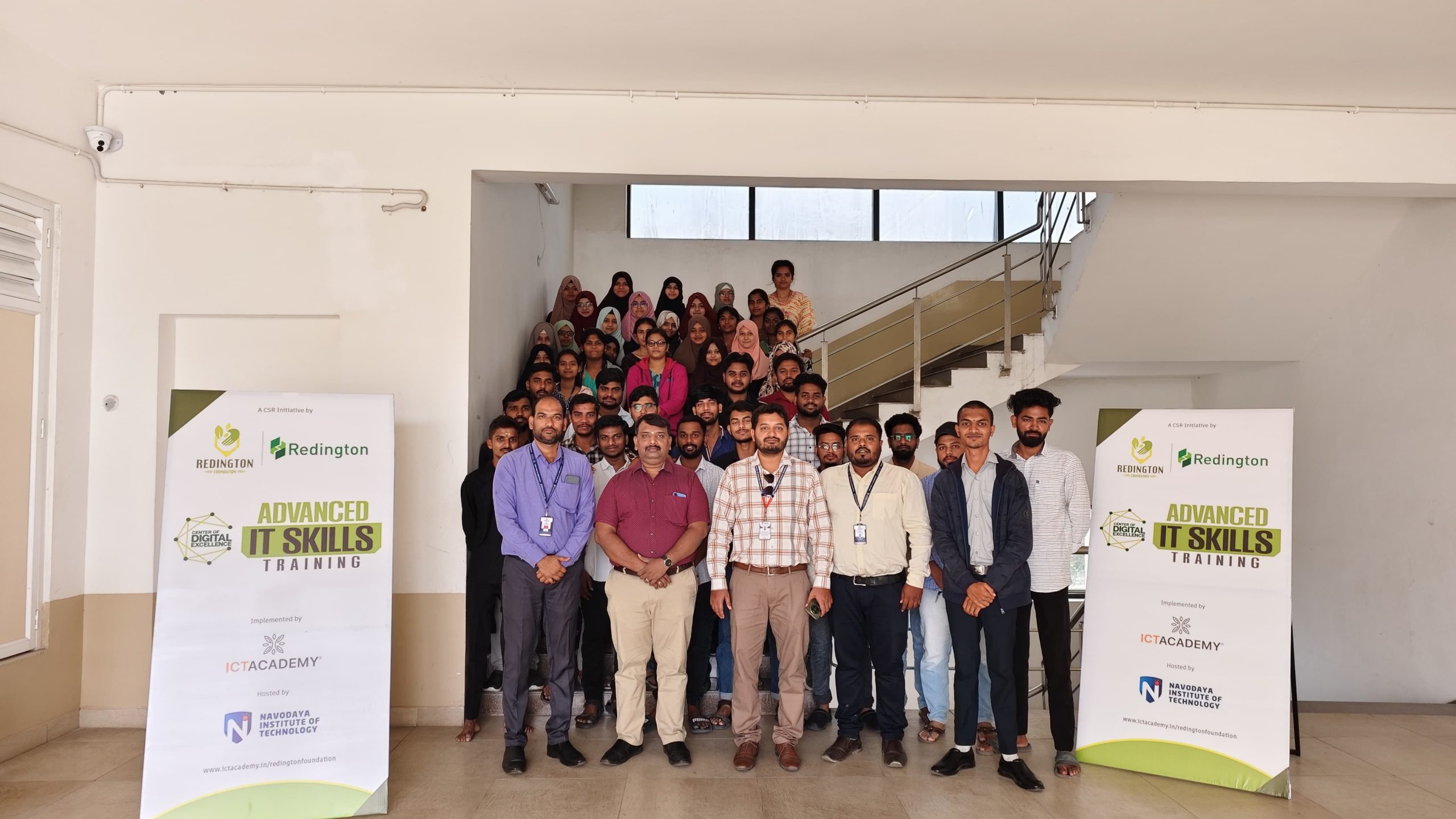
CODE has created a PAN India presence targeting individuals from Tier 2/3 towns for maximum exposure and accessibility. CODE in collaboration with ICT Academy, NTTF and other national skill bodies delivers high-quality tech training backed by industry certifications from AWS, Microsoft, and CISCO.

Impact
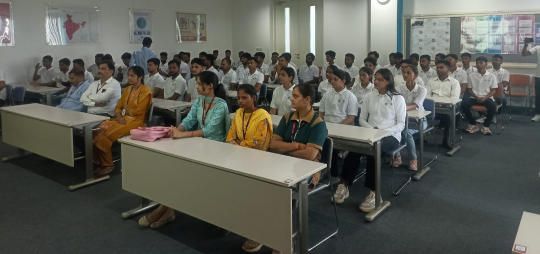
  • 1000+ students and youth across 10+ states trained in mix of virtual and classroom sessions.
  • 100% job opportunities offer with 70% accepted placement.
  • 30 – 40% seats reserved for women, underprivileged, and socially disadvantaged learners.
  • Programmes delivered in partnership with ICT Academy, NTTF, Lok Bharti and Generation India.
  • Certifications in partnership with Microsoft, AWS and CISCO.

Centre of Technical Services (COTS)

The program aims to equip underprivileged and unemployed youth with hands-on, job-oriented training in computer hardware, peripherals, and mobile phone repair through the establishment of a Skill India Centre (SIC) in Bagpat, Uttar Pradesh.

Implemented in partnership with NSDC, the initiative focuses on two sectors—IT-ITeS and Electronics—training 600 individuals in roles such as Data Associate, Web Developer, and Mobile Hardware Technician. With a strong emphasis on employability and self-employment, the program includes on-the-job training and targets 70% placement, with potential expansion to other districts based on local needs.

Impact
  • A pilot Skill India Centre (SIC) will be set up in Bagpat, Uttar Pradesh, in 2024-25.
  • Focus sectors: IT-ITeS (Data Associate, Web Developer, Mobile Device Management Analyst) and Electronics (Field Technician, Assistant Installation, Mobile Hardware Repair).
  • 600 people will be trained in job roles mapped to Qualification Packs, with training from 390–600 hours, including OJT and employability skills.
  • Further SICs may be explored in Baghpat and Chapruli (Ghaziabad) based on local needs.
  • National Skill Development Corporation (NSDC) is the implementation partner, targeting 70% placement after training.

WASH Programme

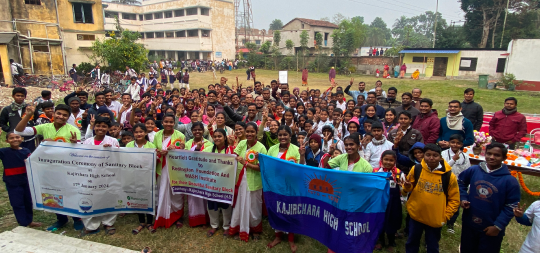
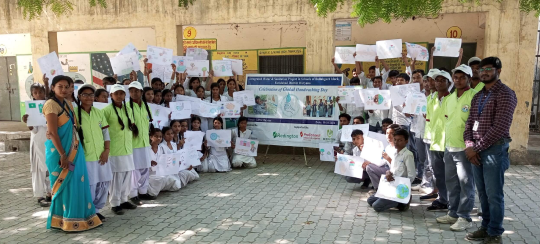
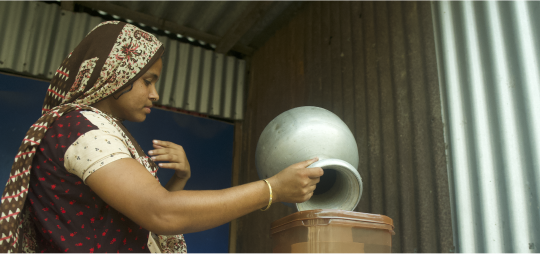
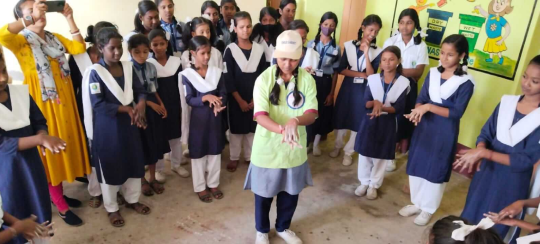
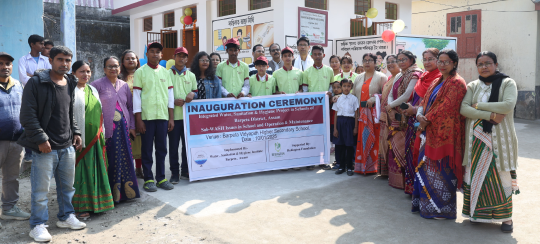
The right to a quality education includes access to drinking water, sanitation, and hygiene (WASH) services at school.

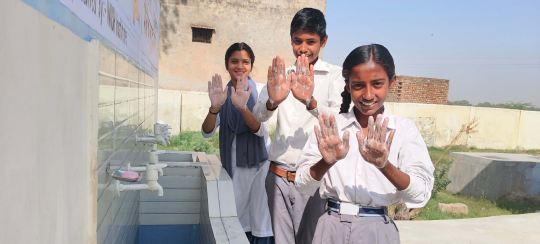
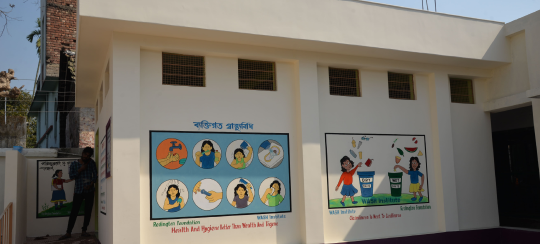
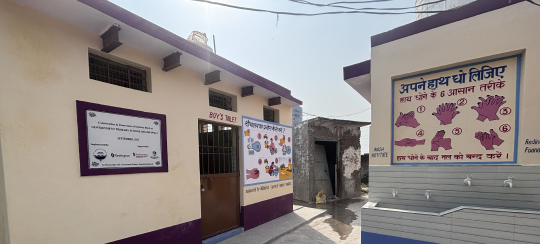
WASH programme focuses on upgrading the basic sanitation facilities in government schools, better menstrual hygiene facilities, and clean water in Uluberia (West Bengal) Faridabad (Haryana) & Barpeta (Assam). Improving WASH services aims to improve health and education outcomes of children from urban-poor communities. Behavioural training in hygiene and cleanliness is an integral part of the intervention. The programme aims to improve health, reduce dropouts, enhance cleanliness, and foster sustainable hygiene practices.

Impact
  • Transforming 66 school’s environments with upgraded toilet blocks, washing stations and drinking water stations - promoting health, dignity, and well-being for every child.
  • 43,000+ students now have access to safe and hygienic sanitation facilities in their schools.
  • Empowered over 21,000 adolescent girls with knowledge and practices on menstrual hygiene management.
  • Setting up and capacity building of school O&M teams and Child Cabinets to maintain the WASH facilities.

Digital Literacy – HP World on Wheels

There is a strong emphasis on the importance of digital literacy and use of technology to enhance the quality of education.

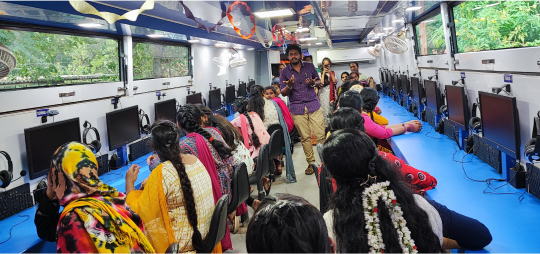
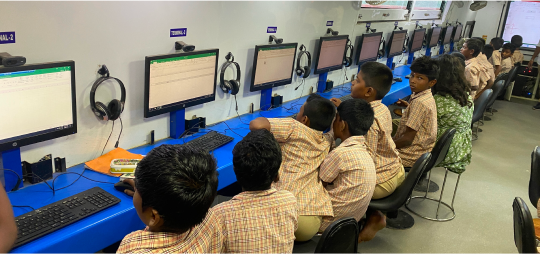
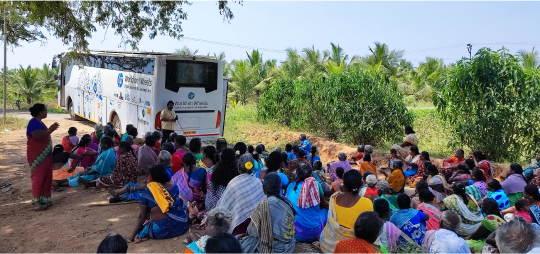
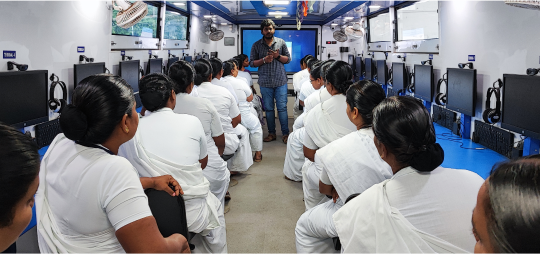
Redington Foundation’s investment in digital infrastructure and literacy amongst rural communities unlock enormous potential for socio-economic progress. To minimize the rural vs urban digital divide and empower access, the Foundation partnered with Learning Links Foundation to implement the HP World on Wheels programme in Virudhunagar district of Tamil Nadu state. Our solar powered mobile digital lab travels to remote schools. It offers digital literacy programs that help students and communities with computer skills, safe internet practices, and builds confidence to access digital tools.

Impact
  • 7,260 students trained across 44 rural schools.
  • 60 – 80% improvement in digital skill proficiency among participants.
  • 41,000+ community members reached through digital awareness sessions.
  • Covered topics including digital safety, online transactions, and access to government schemes.

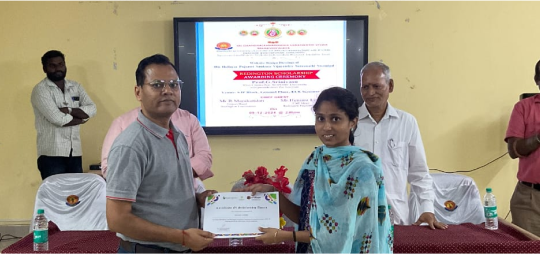
Sahyog Scholarship Programme

The main reason for school and college dropout often stems from financial constraints faced by students.

The Sahyog Scholarship Programme is a model that provides direct financial support to students from economically weaker backgrounds including single-parent and parentless households. It creates equal opportunities for children to continue education. Each application under the programme is carefully reviewed based on academic performance and family income, ensuring aid reaches those who need the most.

Impact
  • 3800+ students supported across India.
  • Scholarships are transferred directly to Students account / Educational institution.
  • Increased retention of students from underprivileged communities.
  • Enabled access to school, college, and skill-based education.

Promoting Art & Culture

The world of art and technology often collides as two opposite sides of the coin.

Considering the importance of art, we supported the Museum of Art & Photography (MAP) with digital and tech support. MAP aimed to upgrade its infrastructure to promote the accessibility of art. With our intervention, we helped digitise, scale image processing and 3D projection capabilities across Photography, Design, and Exhibition. This included hologram projectors, AI-based image, archiving, and training teams. This initiative helped MAP deliver a richer, culturally immersive experience to all its viewers online and offline.

Impact
  • Improved processing power for AI-based digitisation and archival work.
  • Equipment upgraded for design, photography, and digital content teams.
  • 3D holographic experience centres enhanced with projectors and smart viewing devices.
  • Faster, high-quality digitisation of over 20,000+ artefacts.
  • Boosted accessibility for 6,500+ monthly visitors, including 700+ digital experience users.

AWAKE: Kurinji Tribal Upliftment

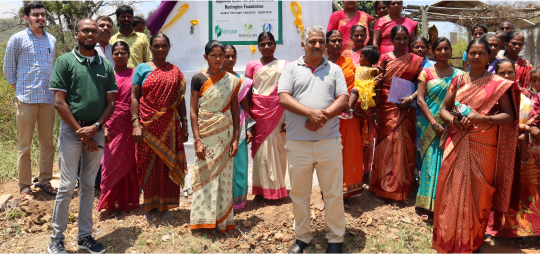
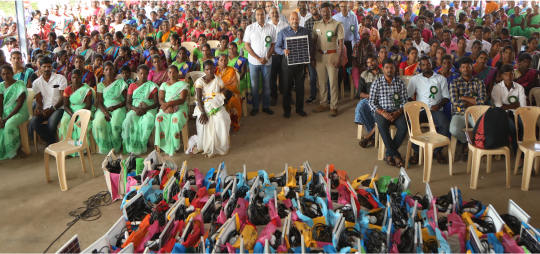
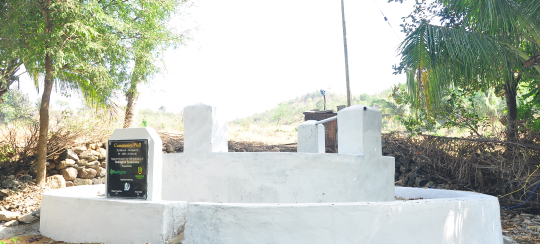
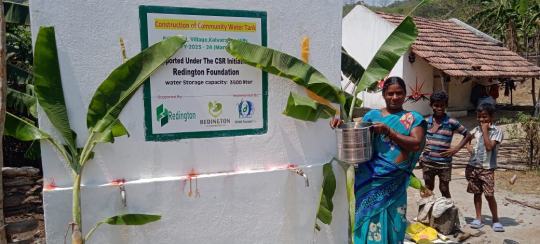
Project AWAKE - Augmenting Water at Kurunji Ecosystem, the villages across Kurinji Hills, especially Kalvarayan and Jawadhu Hills at Tamil Nadu State, grappled with two critical problems – acuta water and electricity shortage.

With project AWAKE, Redington Foundation aimed to improve the water shortage through conservation initiatives like construction and restoration of water bodies, rainwater harvesting, and access to safe drinking water. Also, the electricity issue was improved through renewable energy access.

Impact
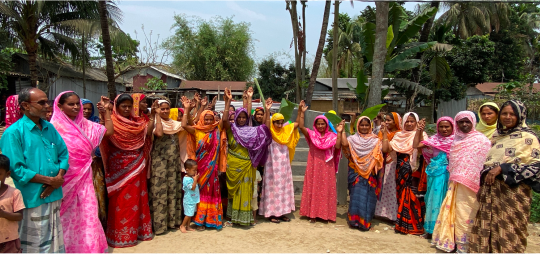
  • 9000+ tribal households across 60 villages positively impacted through improved water security, better health and hygiene, and livelihood support.
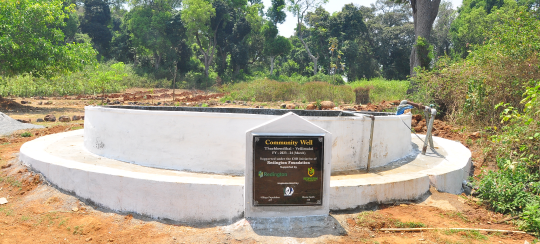
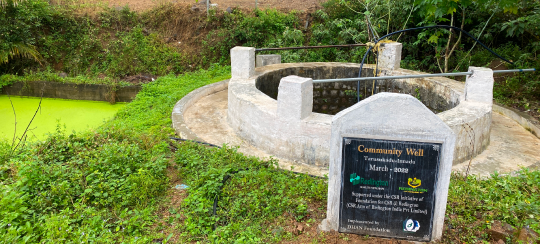
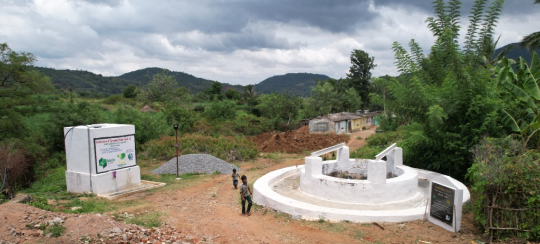
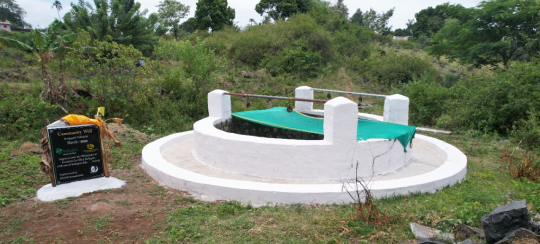
  • Restored 54 community wells and installed 53 new water storage tanks, improving access to safe water for community. women drudgery saved due to access to water at doorstep.
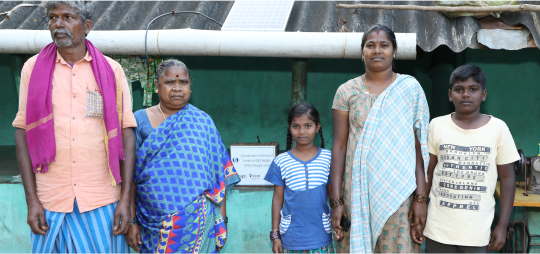
  • 2300 tribal households provided solar lights, giving access to clean energy, improving education outcomes and improving the safety of women and children.
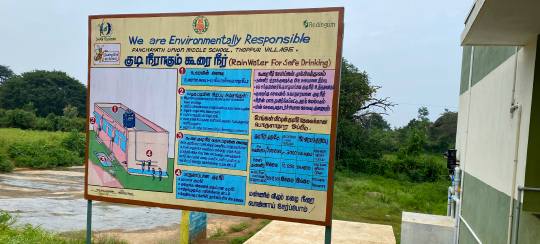
  • 8 rainwater harvesting structures constructed in government schools, providing better water and sanitation facilities to tribal.
  • Tribal farmers supported with 4200+ orchard cultivation plants.

Project Vizag: Reviving Urban Waterbody

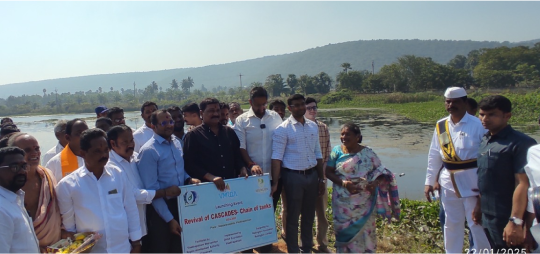
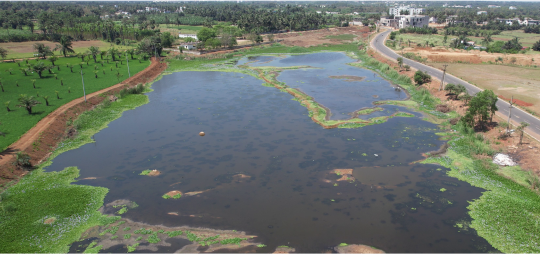
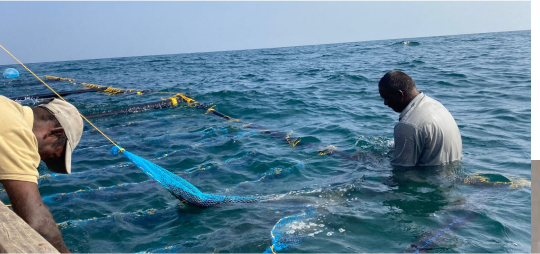
Project VIZAG—Vitalizing community’s Zealous Action for a Generous ecosystem of Urban—is a flagship initiative of Redington Foundation aimed at advancing environmental sustainability and inclusive development in the coastal urban landscape of Visakhapatnam, Andhra Pradesh.

Aimed at advancing environmental sustainability and inclusive development in the coastal urban landscape of Visakhapatnam, Andhra Pradesh. The overarching objective is to restore ecological balance across rejuvenates urban tanks, afforests degraded lands, restores saline soils, and introduces sea-based climate-resilient livelihoods. while building adaptive capacity among vulnerable communities through community-driven, scientifically grounded, and climate-resilient interventions.  

Impact
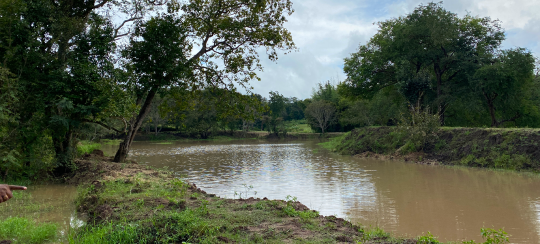
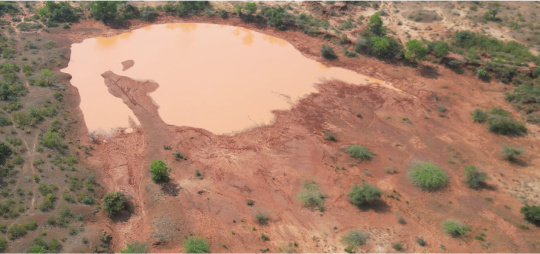
  • 21000+ cubic meters of water harvesting capacity was created through three urban tank rejuvenation and spring-shed trenching.

  • Afforestation of degraded lands (7.1 acres) using native saplings and moisture retention techniques, promoting carbon sequestration and urban cooling.
  • Soil and landscape regeneration in saline and rocky terrains via bunding, trenching, and spring-shed revival, improving biomass productivity and reducing land degradation.
  • Pilot marine livelihood intervention involving HDPE raft-based seaweed farming, empowering fisherwomen with climate-resilient income generation.
  • Youth eco-literacy through the Eco-Stewards programme, training 170 slum adolescents in environmental leadership.
  • Public health-environment nexus addressed through a Primary Health and Climate Unit (PHCU) in a coastal slum.

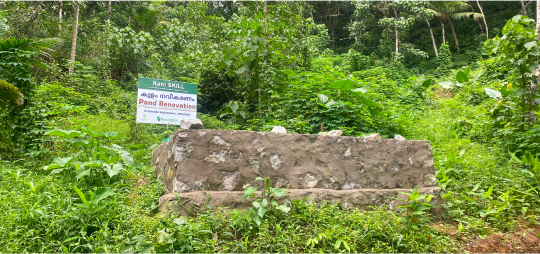
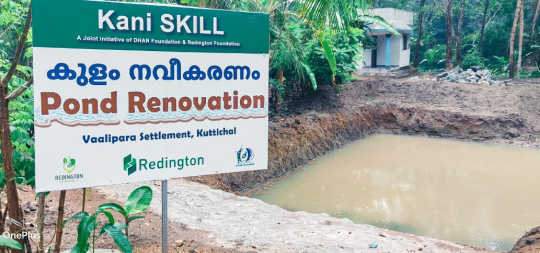
Sustainable Kani Interventions for Livelihood & Linkage – SKILL

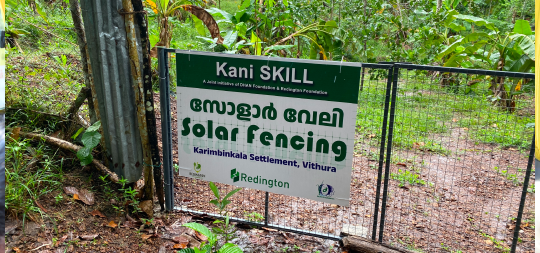
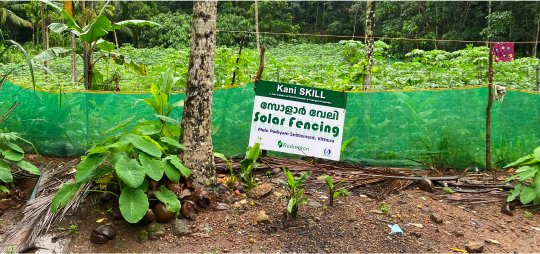
The project emphasized helped Kani tribe (a traditional nomadic group primarily inhabiting the forests of Thiruvananthapuram district in Kerala, India) establish a sustainable intervention in areas of Water Conservation, Environment (through solar energy) and improving education quality via Smart Education.

Upon accessing development issues and concerns raised by Kani Tribal Community, interventions were implemented in Vellanad Block Panchayat, Thiruvananthapuram, Kerala.

Impact
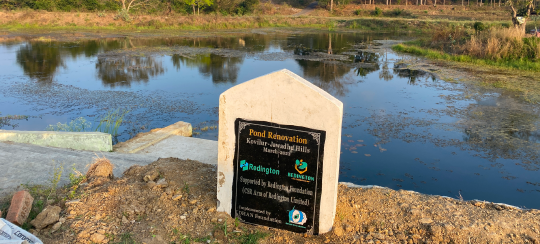
  • Renovated 5 ponds for conserving water for agriculture. Establishing 3 drinking water wells for community increasing 8,63,975 liters of water storage.
  • Protected 15 acres of farmland for 21 marginal farmers with solar fencing, safeguarding crops from wild animal attacks and improving productivity.
  • Installed solar infrastructure: 30 streetlights and solar home lights for 135 Kani families in remote villages with limited electricity access.
  • 3300+ tribal people including students benefited.

Integrated Drinking Water and Resource Management

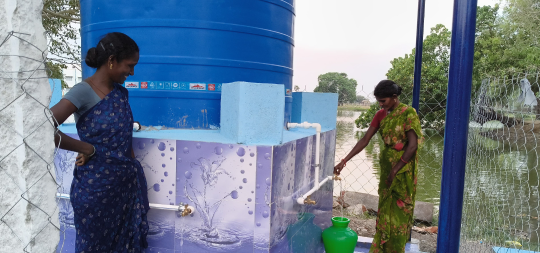
This project provides safe, clean, and sustainable drinking water access to communities in Ramanathapuram, a critically water-stressed Aspirational District in Tamil Nadu.

The state’s unique geography, with no perennial rivers and 73% of its area on hard rock—has caused severe groundwater scarcity. In Ramanathapuram, 47% of blocks are over-exploited and 3% face saline intrusion. In Thiruppulani Block, only 50% of households have tap water, forcing reliance on traditional rainwater harvesting that often yields unsafe drinking water. Women are disproportionately impacted, spending significant time collecting water.

Impact

Water Treatment Systems

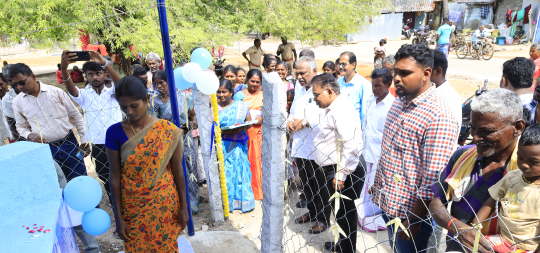
  • Implemented strategic interventions in two villages by linking target ooranis to water treatment systems.
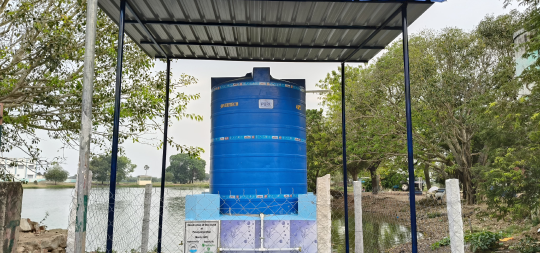
  • Fenced one oorani to protect against encroachments, solid waste, and livestock contamination.
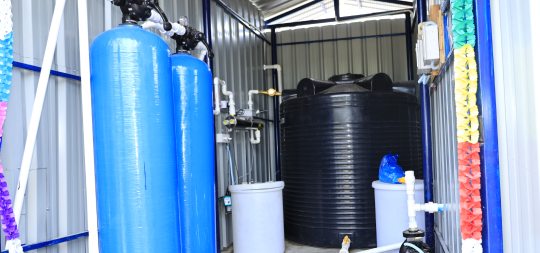
  • Installed water treatment systems connected to 4 newly constructed mini GLSRs with inline chlorinators, enhancing storage, treatment, and distribution.
  • Reduced the burden on women and girls who previously spent long hours fetching water, freeing time for education, livelihood, and productive activities.
  • Households are now saving money previously spent on purchasing water due to reliable access within the village.

Rainwater Harvesting

  • Built comprehensive rooftop Rainwater Harvesting (RWH) systems coupled with drinking water treatment installed across three government schools.
  • Installation of UV filters for drinking water purposes, benefitting a total of 750+ pupils and staff.
  • 4200+ villagers including students benefited.

Driving Water Sustainability Efforts Across Communities

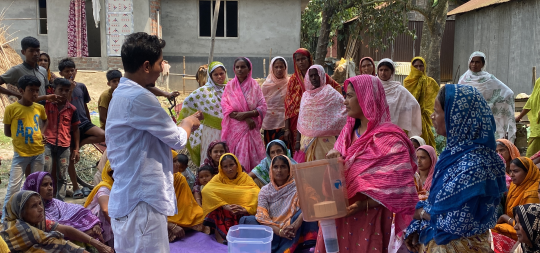
This project focuses on driving behavioral changes in the use of water sources and promoting the optimal utilization of natural resources to reduce water scarcity that limits agricultural productivity.

It has been initiated in Nalirpam village, Barpeta district, Assam—a community affected by annual floods that submerge agricultural land for nearly two months. Being a low-lying area near the river, the village faces recurring challenges in agriculture, drinking water, and related issues, particularly during May and June. Farmers here primarily grow crops during the Rabi and summer seasons.

Impact
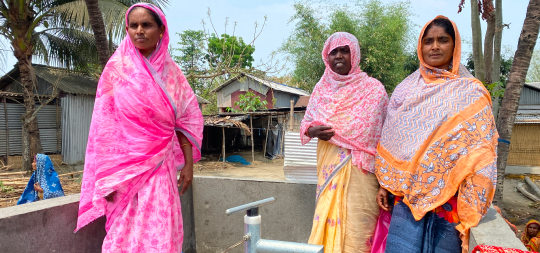
  • Installed 12 raised handpumps to ensure water security during floods.
  • Provided 100 arsenic removal water filters to enable access to clean drinking water.
  • Renovated 3 farm ponds for water harvesting to reduce water stress in summer.
  • Set up 34 solar streetlights to improve mobility and address electricity cuts during floods.
  • 1800+ individuals benefited.

Donation of Medical Equipment to Hospitals

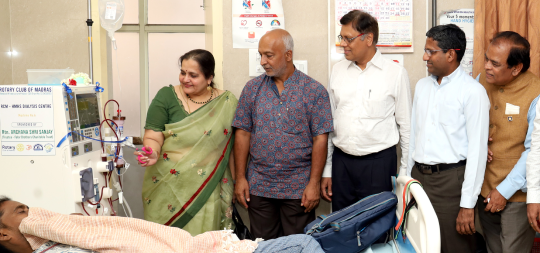
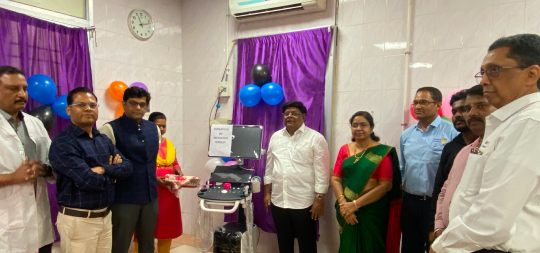
Under the Redington CSR Health Programme, we supported four hospitals with essential medical equipment donation.

This included a Doppler scanner to assess blood flow, detect blockages, monitor fetal health, and diagnose vascular conditions; an anaesthesia workstation to deliver controlled anaesthesia, monitor vital signs, and ensure patient safety during surgeries; and a hand X-ray machine to detect bone-related signs of tuberculosis, enabling early diagnosis and effective treatment.

Impact

By providing the essential equipment support, Redington CSR aims to bridge divides and elevate healthcare standards for all. Advanced Life Support Mannequins are used for hands-on CPR, airway management, and emergency response training in healthcare simulation center.

Hospital Support List

S.no Hospital Support
1. Hindu Mission Health Services, Nanganallur 5 Dialysis Machines
2. Hindu Mission Health Services, Tambaram 1 CRRT (Continuous Renal Replacement Therapy) for Dialysis department.
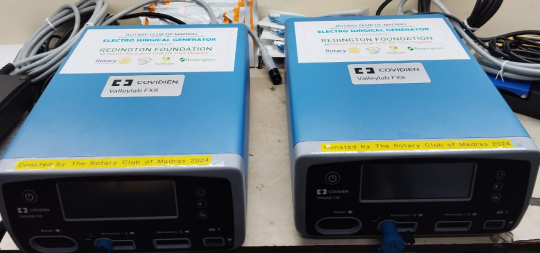
3. Kanchi Kamakoti CHILDS Trust Hospital, Nungambakkam 2 Electrosurgical Generators
4. VHS hospital 17 SMART VISION GLASSES (Individual beneficiaries)
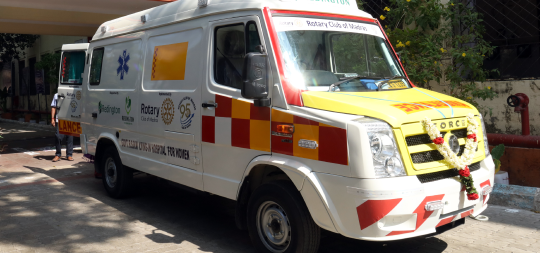
5. Government Raja Sir Ramaswamy Mudaliar (RSRM) Lying-in Hospital, Royapuram Mobile Ambulance
6. RSRM Government Hospital Royapettah, Chennai Doppler scanner machine
7. Hindu Mission Health Services, Tambaram Anaesthesia workstation support material
8. Ganga Ram Hospital, Delhi Hand X-ray machine for TB screening
9. VHS hospital, Taramani, Chennai Advanced Life Support Mannequins

Mobile Healthcare Units

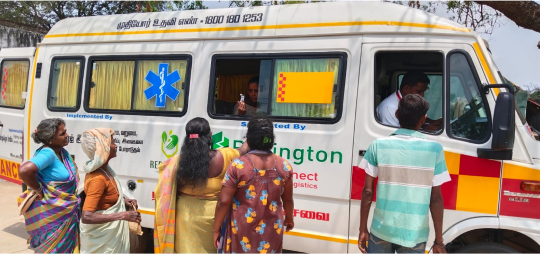
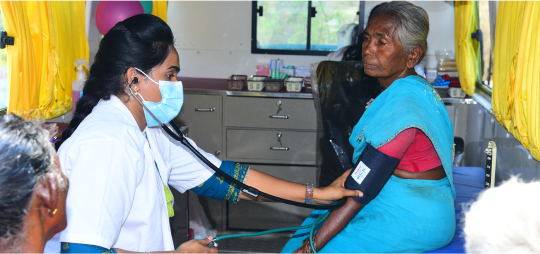
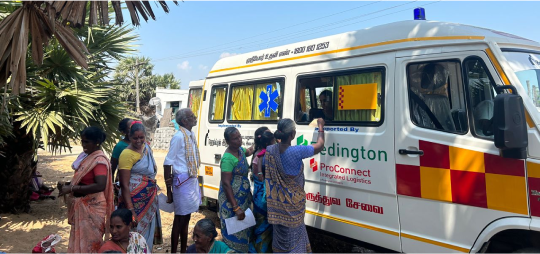
With our mobile healthcare initiative, we aimed to bring quality healthcare services to the doorstep of the impoverished families in rural locations of Tumkur block, Karnataka and Gummidipoondi block, Tamil Nadu.

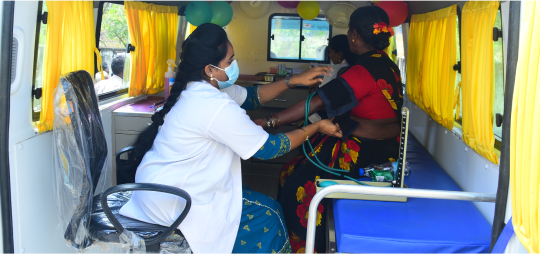
The Mobile Healthcare Units (MHU) was staffed with a doctor, pharmacist, and social worker. By offering MHUs in partnership with local NGOs, we were able to make an impact and offer villages direct access to healthcare. These units provided consultations, medicines, and basic healthcare solutions to the rural population.

Impact
  • 1,00,000+ health care treatments extended to patients for regular health checkups.
  • 38 villages covered per week in Tamil Nadu and Karnatak.
  • Services included diagnosis, treatment, and monthly medicines.
  • Focus on chronic illnesses, maternal health, and age-related conditions.
Privacy Overview

This website uses cookies so that we can provide you with the best user experience possible. Cookie information is stored in your browser and performs functions such as recognising you when you return to our website and helping our team to understand which sections of the website you find most interesting and useful.
View More Information